What Is an Appointment Funnel? A Practical Guide for SME Owners

An appointment funnel is the series of steps a customer moves through — from their first message to a confirmed slot in your calendar. For a Penang aesthetic clinic, that journey might start with a WhatsApp enquiry at 10 pm and end with a booking confirmation before the customer puts down their phone. In practice, most appointment funnels leak badly: slow replies, scheduling friction, and no-shows chip away at revenue that was already within reach.
Why Most Appointment Funnels Leak
The majority of appointment enquiries in Malaysia arrive on WhatsApp, Instagram DMs, or Messenger — often outside office hours. When no one replies quickly, the customer moves on. This top-of-funnel leak is the most expensive because the customer had already shown intent.
Friction compounds the problem further down:
- Availability ping-pong — customer asks for a time, staff check a separate calendar, reply hours later, customer books elsewhere.
- Form handoffs — directing a WhatsApp enquirer to fill in a web form kills momentum and conversion in one step.
- No confirmation or reminder — a booking made without instant confirmation and a closer reminder is a no-show waiting to happen.
- Language friction — a Klang Valley salon that replies only in English loses enquiries from Mandarin or Bahasa Melayu speakers.
The Four Stages of a Healthy Appointment Funnel
1. First Response — Capture the Enquiry Before It Bounces
Speed matters more than perfection at this stage. A customer who receives an instant, relevant reply — even from an AI agent — is far more likely to stay in the conversation than one who waits until morning. The agent's job is simple: acknowledge, answer the basic question about price or availability, and invite the next step.
2. Qualification — Make Sure the Appointment Is Worth Taking
Not every enquiry should go straight to a booking. A Langkawi resort might confirm group size, travel dates, and room type before holding inventory. A property agency needs to understand budget and area before allocating time. A few well-placed questions — asked conversationally in chat, not on a form — filter out mismatches and route genuine prospects forward. Our guide to lead qualification automatically covers this stage in more detail. SME owners using WhatsApp as their primary enquiry channel will also find the WhatsApp lead qualification guide useful for structuring these conversations.
3. Booking — Confirm the Slot Without Leaving the Conversation
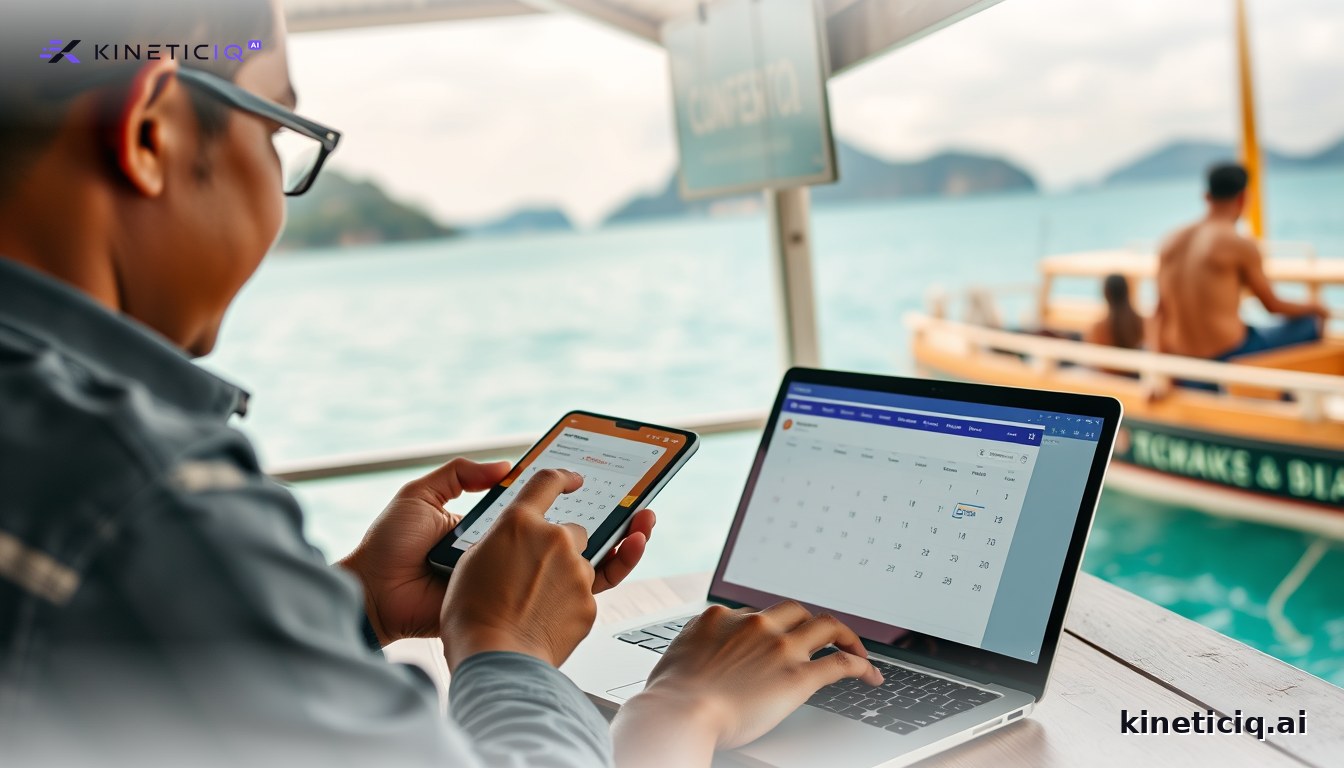
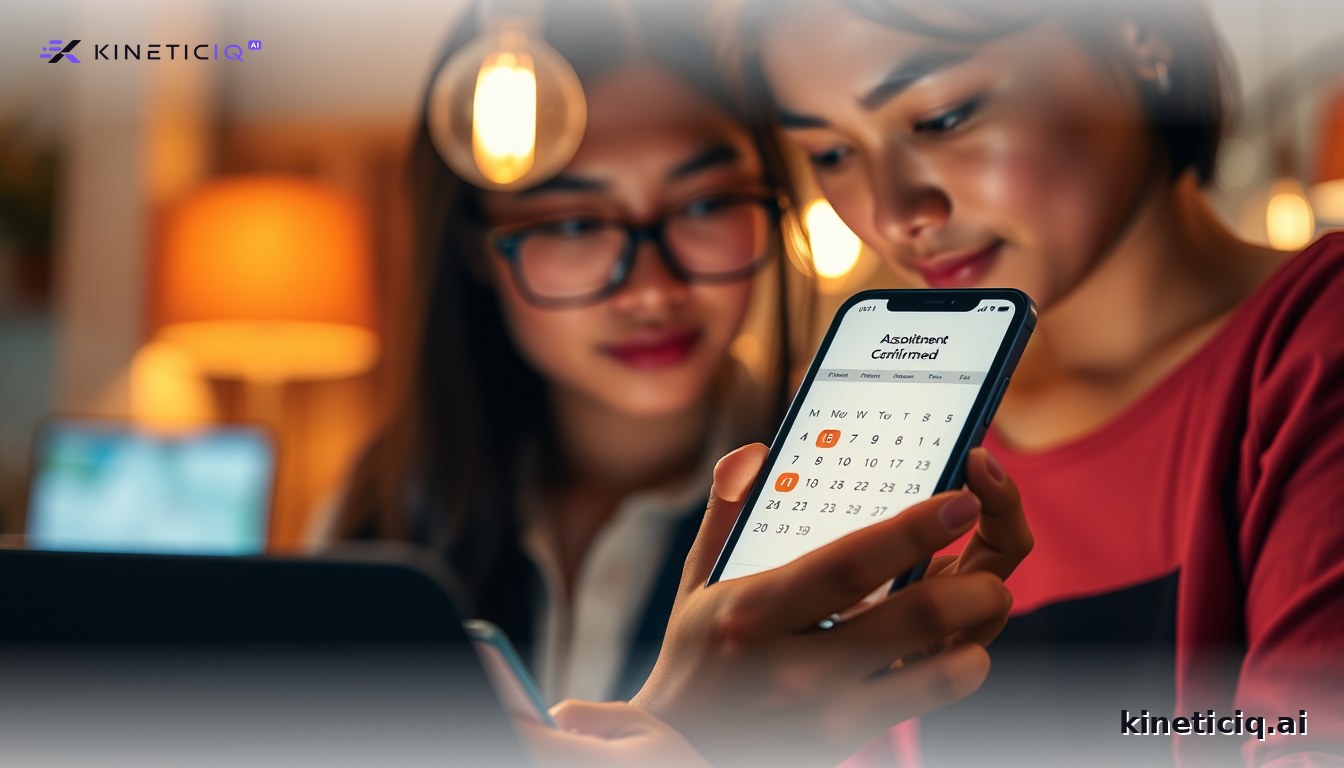
This is where most funnels introduce unnecessary friction. Asking a customer to leave WhatsApp, open a browser, and complete a booking form kills conversion. A better experience checks real calendar availability mid-conversation, offers options, holds the slot, and sends a confirmation — all inside the same chat. The customer never switches apps. See the AI booking agent overview for how this works end-to-end.
4. Post-Booking — Reduce No-Shows and Keep the Relationship Warm
A confirmed appointment is not a kept appointment. Timely reminders via WhatsApp significantly reduce no-shows. The ability to reschedule within the same chat — rather than calling the front desk — also removes a common reason customers ghost instead of informing you of a change.
Where AI Agents Fit In — and Where Humans Still Lead
AI agents handle the repeatable, time-sensitive parts well: instant first replies at any hour, answering standard questions about price and availability, collecting qualification details, and confirming bookings against a live calendar. They work in English, Bahasa Melayu, Mandarin, and Tamil without switching modes, which matters in a multilingual Malaysian market. For a practical example of this in action, see how an AI agent handles WhatsApp customer questions for Malaysian businesses.
What AI does not replace is judgment. A patient describing a complex medical concern, a corporate client negotiating a package, or an upset customer needing empathy should move to a real person quickly. A well-configured agent recognises the handoff moment and passes the full conversation history to staff, so the customer never repeats themselves. Businesses exploring voice-based qualification should also review AI voice agents for lead qualification as a complementary channel. The Bookings & Lead Generation resource hub has further reading on designing these handoffs.
Customer data collected through an appointment funnel — names, contact details, appointment history — falls under Malaysia's Personal Data Protection Act. Businesses handling customer data should familiarise themselves with their obligations via the Personal Data Protection Department.
A Quick Self-Audit: Is Your Funnel Leaking?
- Do enquiries arriving after 6 pm get a reply before 9 am the next day?
- How many steps does a customer take between first message and confirmed booking?
- Do you send a booking confirmation immediately, or only after manual review?
- Can customers reschedule without calling your front desk?
- Are you losing enquiries written in a language your staff cannot reply to quickly?
Each "no" is a leak with measurable cost. Even one additional confirmed appointment per day adds up meaningfully over a month — without spending more on advertising.
Building a Tighter Appointment Funnel
The fixes are not complicated. Connecting an AI agent to your WhatsApp number and calendar closes the two biggest leaks — slow first response and availability friction — simultaneously. SME adoption of digital tools continues to grow as a lever for local business growth.
KineticIQ's team handles the technical setup: connecting your WhatsApp number via the official Meta Cloud API, training the agents on your website and documents, and wiring up your calendar. You focus on the appointments, not configuration. Every plan includes a shared inbox where staff can monitor and take over any conversation, with the full chat history attached.
To see what a tighter appointment funnel looks like for your business, start free with no card required or request a demo and we'll walk through it together.